
INTRODUCTION
Allergies are common in babies and children and can affect the skin, nose, eyes, lungs, or digestive system. An allergy occurs when the body’s immune system reacts to a substance that is usually harmless to most people. Common triggers may include certain foods, dust, pollen, pet dander, insect stings, or specific medicines.
Dr. Nayantara Reddy, a Paediatrician and Neonatologist in Hyderabad, provides patient-focused allergy care for infants and children. The approach begins with understanding the child’s symptoms, medical history, and possible triggers. Because many childhood conditions can cause symptoms similar to allergies, a careful assessment is important.
Allergy symptoms can range from mild and temporary to more persistent or severe. Identifying patterns can help parents understand when symptoms occur and whether a particular trigger may be involved. Appropriate medical guidance can help families manage symptoms and take sensible steps to reduce exposure to confirmed or suspected triggers.
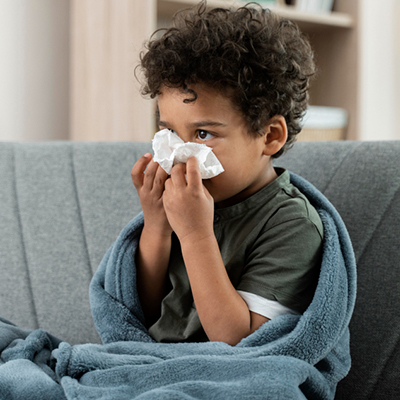
The goal of paediatric allergy care is to understand the child’s individual needs, evaluate possible causes of symptoms, and provide appropriate advice and treatment based on clinical assessment.
CONDITIONS WE TREAT
Dr. Nayantara Reddy evaluates and manages a range of allergy-related concerns in infants and children, including:
- Food-related allergic reactions
- Recurrent skin rashes and hives
- Eczema, a condition that can cause dry, itchy, and inflamed skin
- Allergic rhinitis, commonly associated with sneezing and a runny or blocked nose
- Eye symptoms such as itching, watering, and redness
- Suspected reactions to environmental triggers such as dust or pollen
- Recurrent cough or wheezing that may require allergy-related evaluation
- Suspected reactions following insect stings
- Possible medicine-related allergic reactions
- Digestive symptoms when a food-related reaction is suspected
- Repeated or unexplained symptoms that may have an allergic component
Not every rash, cough, or digestive symptom is caused by an allergy. A careful evaluation helps distinguish possible allergic conditions from other common childhood illnesses.
SYMPTOMS
Allergy symptoms can look different from one child to another. Some children may develop repeated sneezing, a runny or blocked nose, itchy eyes, or frequent nasal irritation. Others may experience skin symptoms such as itching, redness, rashes, hives, or dry and irritated skin.
Food-related reactions may occur after eating certain foods and can involve the skin, digestive system, or breathing. Parents may notice symptoms such as hives, swelling, vomiting, stomach discomfort, or changes in breathing after exposure to a suspected food. However, digestive symptoms alone do not always mean that a child has a food allergy.
Some children may have recurrent coughing or wheezing. These symptoms can have different causes, and proper medical assessment is important before assuming that an allergy is responsible.
Parents should seek prompt medical attention if a child develops difficulty breathing, significant swelling of the face or throat, severe weakness, or other sudden and serious symptoms after possible exposure to an allergen. An allergen is a substance that can trigger an allergic reaction.
DIAGNOSIS
The diagnosis of an allergy usually begins with a detailed medical history. Dr. Nayantara Reddy may ask when symptoms started, how often they occur, what the child was exposed to before symptoms developed, and whether similar reactions have occurred previously.
Parents may also be asked about foods, medicines, environmental exposures, family history, and other medical conditions. Keeping track of symptoms and possible triggers can sometimes provide useful information during the evaluation.
A physical examination may help identify signs affecting the skin, nose, eyes, chest, or other areas. If an allergy is suspected, further tests may be considered when clinically appropriate. These tests are selected based on the child’s symptoms and history.
It is important not to rely on unproven allergy tests or unnecessarily remove multiple foods from a child’s diet without medical guidance. Avoiding foods without a clear reason may affect nutritional intake. Evaluation and management should be based on the child’s individual clinical needs.
WHY CHOOSE Dr. NAYANTARA REDDY
Parents need clear and reliable guidance when their child experiences repeated or suspected allergic reactions. Dr. Nayantara Reddy provides a careful and child-focused approach to evaluating allergy concerns.
- Individual assessment based on the child’s symptoms and medical history
- Care for infants and children from a Paediatrician and Neonatologist
- Evaluation of skin, food, respiratory, and environmental allergy concerns
- Clear explanations about possible triggers and symptoms
- Guidance on appropriate investigations when needed
- Practical advice for parents and caregivers
- Attention to the child’s overall health and nutritional needs
- A patient-focused approach to ongoing allergy-related concerns
The focus is on understanding the possible cause of symptoms and helping families make informed decisions about their child's care.
CONCLUSION
Repeated rashes, sneezing, itching, coughing, wheezing, or suspected food reactions can be concerning for parents. A proper assessment can help determine whether your child’s symptoms may be related to an allergy or another health condition.
If you are looking for paediatric allergy care in Hyderabad, schedule a consultation with Dr. Nayantara Reddy, Paediatrician and Neonatologist. A careful evaluation can help you understand your child’s symptoms, identify possible triggers, and discuss appropriate next steps.
Book a consultation with Dr. Nayantara Reddy for patient-focused allergy care and guidance for your child in Hyderabad.